
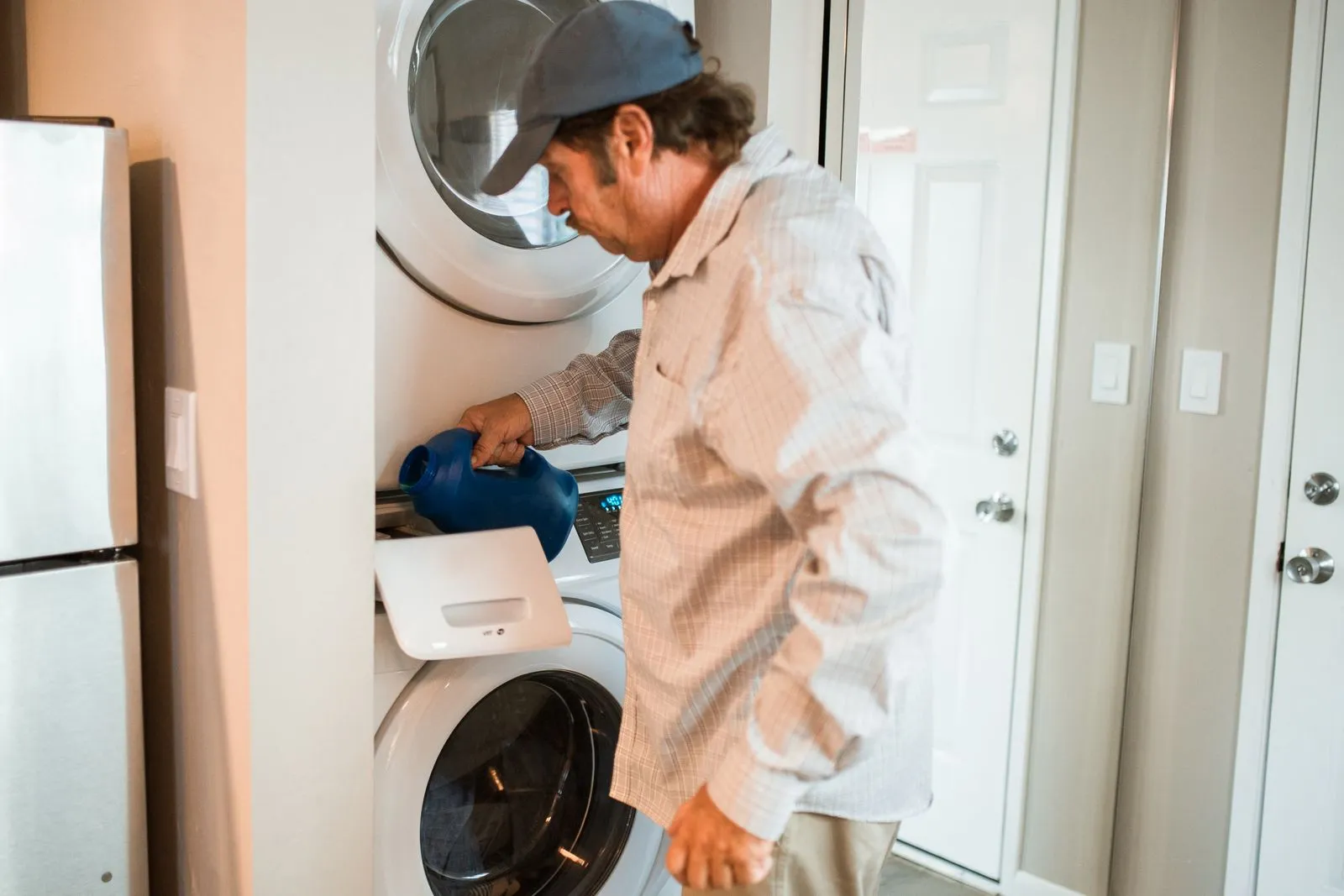
A washer that finishes a cycle with soaking-wet clothes can disrupt your day, but the cause may be simple. An unbalanced load, a selected cycle, or water that hasn’t drained can keep many machines from spinning as expected. Start with a few safe checks before arranging service. If the washer still won’t spin, or you notice leaks, burning smells, or unusual noises, stop using it and seek a professional diagnosis.
Check the Load and Settings
Pause the washer and redistribute the laundry so items are spread evenly around the drum. A single heavy item, such as a bath mat or blanket, can bunch up on one side and trigger an imbalance response. If the drum is packed tightly, remove some items. Then close the door or lid and try a spin or drain-and-spin cycle.
Review the selected cycle and any options. Delicate, hand-wash, or no-spin settings may use a low spin speed or skip spinning altogether. Some machines also limit spin speed for certain fabrics. Choose an appropriate cycle and spin speed for the load, following the washer’s manual if you’re unsure.
Make Sure Water Can Drain
Many washers won’t begin a full-speed spin while water remains in the drum. Check whether the cycle stopped with standing water or whether clothes are dripping wet. If the washer has a drain-and-spin option, try it once. If water still does not leave the drum, a blocked drain path or pump problem may be involved.
Look for a kinked or crushed drain hose behind the washer, but don’t pull or tip a heavy machine by yourself. Check the manual for any user-accessible filter and instructions for cleaning it; some models do not have an accessible filter. Unplug the washer before handling a filter, and prepare for water to spill. Don’t open panels or reach inside the machine.
Look for Simple Interruptions
Confirm that the door or lid closes and latches fully. A washer may prevent spinning if it detects that the door is open or the lid is not locked. Remove clothing caught near the opening, close it firmly, and restart the cycle. If a lock indicator flashes or the machine repeatedly refuses to lock, avoid forcing the latch.
If the controls seem unresponsive, turn the washer off and unplug it for a short time, if you can do so safely. Plug it back in and select a spin cycle. Check the manual for model-specific reset instructions. A reset may clear a temporary interruption, but it won’t fix a recurring mechanical or electrical fault.
Know When to Call for Repair
Arrange professional diagnosis if the washer repeatedly stops before spinning after you’ve balanced the load, checked the settings, and addressed visible drainage issues. Other warning signs include a burning smell, grinding or loud banging, a persistent error code, a leak, or a door that won’t lock. Stop the cycle and unplug the machine if you notice a burning smell or leaking near electrical connections.
Before calling, note the washer’s make and model, the selected cycle, any displayed error code, and what happens when you try to spin. Mention whether the drum turns at all or whether water remains inside. This information can help a repair specialist narrow down the problem without guessing.
Start with the low-risk checks: balance the load, verify the cycle, and see whether the washer can drain. If the problem returns or you spot a warning sign, stop troubleshooting and arrange a professional diagnosis. KC Washer Care serves Kansas City; contact a qualified washer repair specialist to discuss the symptoms and next steps.